Brick Expansion Joint Repair: Why Walls Crack and Shift
Cracks in brickwork do not always mean the foundations are failing. Bricks expand, buildings move, and walls need properly designed joints to accommodate that movement. When these joints become blocked, deteriorate or are missing, pressure can build until bricks crack or sections of masonry shift.
For Hawkesbury property owners, brick expansion joint repair starts with identifying why the wall is moving. Replacing damaged sealant may be appropriate for a failed joint, but foundation movement, corroded wall ties or inadequate structural support require different treatment.
What Does a Brick Expansion Joint Do?
An expansion joint is an intentional gap that allows adjacent sections of brickwork to move without pressing against each other. It usually contains a flexible sealant over a suitable backing material, rather than rigid mortar.
Clay bricks undergo thermal movement and gradual moisture-related expansion. Concrete masonry behaves differently, so movement-joint design must suit the actual construction. Joint positions and dimensions depend on wall length, openings, restraints, exposure and structural design—not a single spacing rule suitable for every property.

An expansion joint is not an ordinary mortar joint. Brick mortar replacement and brick repointing services restore mortar between masonry units. Filling a designed movement joint with mortar can prevent it from working and cause further cracking.
Why Brick Walls Crack in Hawkesbury
Temperature changes and restrained movement
Sun-exposed walls heat up and cool down throughout the day. Long walls, corners and areas around windows can develop stress where movement is restrained. Missing or undersized joints, hardened sealant and mortar bridging across a gap can all contribute.
Ground movement and drainage problems
Parts of the Hawkesbury have reactive soils or flood exposure, although conditions vary between sites. Changes in soil moisture, leaking pipes, concentrated roof runoff and erosion near footings can cause uneven movement. Expansion joint repairs alone cannot correct an unstable foundation.
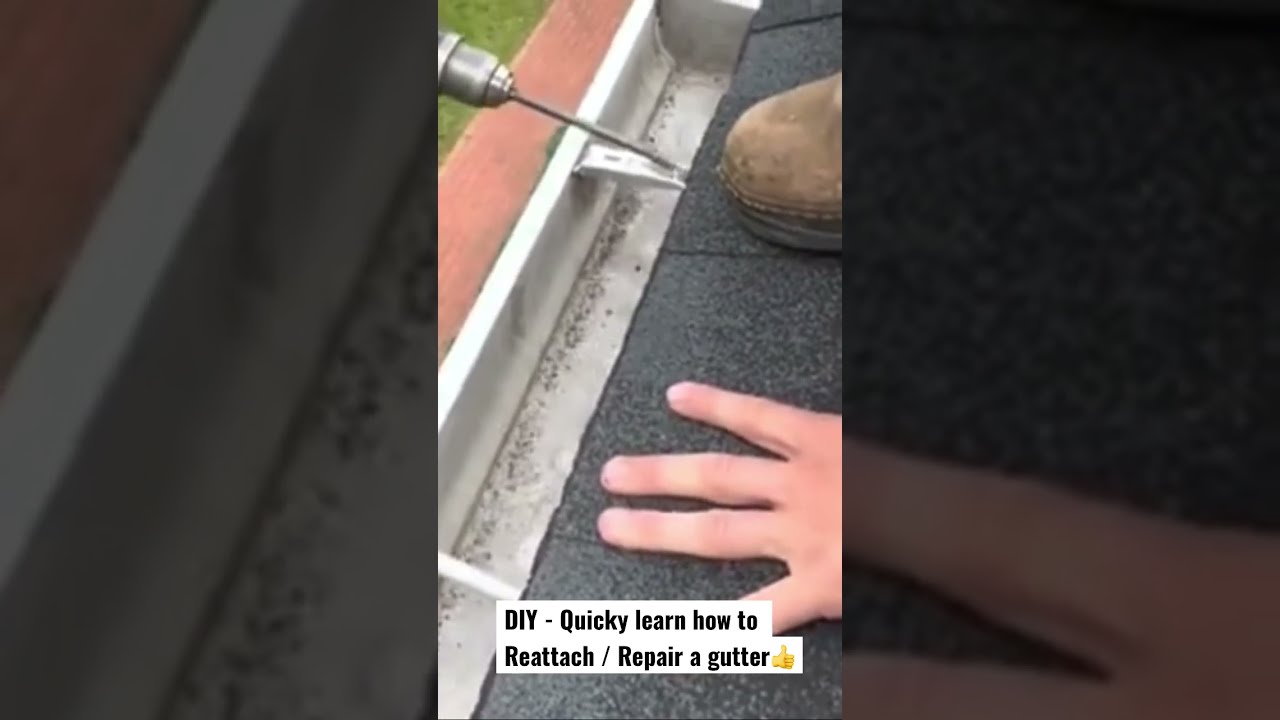
Comprehensive drainage solutions may therefore be as important as masonry repairs. Damaged gutter repair, downpipe maintenance and appropriately designed surface drainage help prevent water from repeatedly saturating ground beside the building.
Deteriorating masonry and metal components
Weathered mortar, persistent moisture and salt exposure can weaken brickwork. Corroding lintels or wall ties may also crack or displace masonry. These conditions can require brick deterioration repair, brick facade repair or engineered brick structural repair rather than sealant replacement alone.
Warning Signs That Need Assessment
- Sealant that splits, hardens, separates from the brick edges or falls out.
- Mortar, render or another rigid material bridging an intended movement joint.
- Cracks that return after previous brick joint repair or patching.
- Stepped cracking, displaced bricks, sticking doors or gaps around window frames.
- Bulging walls, loose masonry or visible separation between building elements.
Photograph cracks with a ruler beside them and record the date. Monitoring helps establish whether movement is continuing, but it does not replace professional assessment. Keep people away from bulging walls or loose overhead masonry and arrange urgent advice. Crack width alone does not determine whether a wall is safe.
How Brick Expansion Joint Repair Works
- Inspect the wall and identify the cause. A qualified contractor checks joint condition, crack patterns, drainage, nearby openings and signs of structural movement. A structural engineer may be needed.
- Remove failed materials. Old sealant and unsuitable rigid fillers are carefully removed without unnecessarily damaging brick edges, flashings or cavity components.
- Prepare the joint. Joint faces must be sound and suitably clean and dry. Backing material and any required primer are selected to suit the specified sealant system.
- Install compatible flexible sealant. The repair follows the manufacturer’s requirements for joint geometry, movement capacity, adhesion and application conditions. Backing material helps control depth and prevent unwanted three-sided adhesion.
- Check related defects. Drainage faults, damaged bricks and nearby mortar deterioration are addressed, and the joint is inspected after curing.
Creating a new movement joint in an existing wall needs careful planning. Cutting masonry without understanding its structural role can compromise brick structural integrity, concealed services or weatherproofing details.
When Repointing or Reconstruction Is Necessary
Brick mortar restoration is appropriate where ordinary mortar joints are deteriorating and the underlying cause has been addressed. Replacement mortar must be compatible with the existing masonry; an excessively hard mix can damage softer or older bricks.
Local brick wall reconstruction may be necessary where masonry is severely displaced or unstable. Crack stitching, lintel replacement and wall-tie repairs also require diagnosis rather than automatic inclusion in every repair. A comprehensive wall repair proposal should clearly separate cosmetic work, moisture control and structural rectification.
For brick durability enhancement, focus first on sound detailing and water management. Brick erosion control does not simply mean applying a coating: unsuitable products can trap moisture and accelerate deterioration.
Why Roof and Gutter Maintenance Matters
Roof leaks and overflowing gutters can repeatedly wet masonry and obscure the source of dampness. Comprehensive gutter services should include checking outlets, falls, joints and discharge points. Depending on the building, this may involve aluminum gutter repair, copper gutter maintenance or commercial gutter services. Advanced gutter solutions are useful only when their capacity and discharge arrangements suit the property.
Where leaks originate above https://angeloqckl474.ironwoodscope.com/posts/comprehensive-roof-venting-strategies-to-stop-moisture the wall, comprehensive roof maintenance or targeted commercial roof repair may be necessary. Advanced roof repair should still begin with a clear diagnosis. Comprehensive roofing services and commercial roofing assessments should distinguish a local defect from a roof that genuinely needs replacement.
Ask what a contractor means by certified roof repair or certified roof reroofing, including the relevant qualification, product accreditation or warranty. Labels such as comprehensive roof repair, commercial roof solutions or comprehensive roof replacement do not, by themselves, establish the scope or quality of work.
Complete roofing replacement, comprehensive roof reroofing and complete roof installation are separate decisions from masonry joint repair. Material-specific work, such as asphalt shingle replacement or cedar shake replacement, is relevant only where those materials are actually installed.
Will Ventilation, Insulation or Painting Stop Cracks?
No. Attic cooling methods, attic heat reduction and brick thermal insulation improvements may support comfort and energy efficiency, but they do not restore a failed movement joint or stabilise foundations.
Likewise, attic ventilation installation, attic ventilation repair, customized roof ventilation and comprehensive roof venting should address an identified roof-space moisture or airflow issue. Advanced ventilation techniques must suit the roof assembly and local conditions rather than simply adding more vents.
Advanced painting techniques cannot compensate for active movement. Brick wall weatherproofing may be appropriate after repairs, but coatings must suit the substrate and allow the wall to manage moisture. Before accepting complete painting sealing, comprehensive painting sealing or commercial painting sealing packages, request the proposed product system and preparation requirements. Comprehensive sealing solutions must preserve working movement joints, flashings and weep holes.
Choosing a Hawkesbury Brick Repair Contractor
Request a written assessment explaining the likely cause, proposed repair, sealant specification, preparation method and any limitations. For work in Hawkesbury, NSW, check applicable licensing, insurance and approval requirements. Structural alterations should follow appropriate engineering advice and applicable National Construction Code and Australian Standards requirements.
The best repair restores movement capacity and addresses the source of damage—not just the visible crack. Regular brick wall maintenance, prompt drainage repairs and early assessment of changing cracks help protect your property and reduce the risk of more extensive work.
Top Hawkesbury Roofer
Bells Line of Rd, Kurmond NSW 2757, Australia
(02) 4503 4545