Emergency Brick Structural Repair: Signs of Foundation Shift
Cracked brickwork can indicate anything from normal material movement to a serious structural problem. For Hawkesbury property owners, the priority is recognising when damage needs urgent assessment rather than cosmetic patching. Emergency brick structural repair starts with identifying the cause of movement and making the affected area safe. Repointing or painting over cracks does not stabilise a moving foundation.
Signs That May Indicate Foundation Movement
Foundation movement occurs when the ground or supporting structure moves unevenly. Changes in soil moisture, leaking underground pipes, inadequate drainage, erosion and nearby excavation can contribute. However, brickwork also cracks because of thermal expansion, corroding wall ties or deteriorating lintels, so cracks alone do not establish the cause.
- Stair-step cracking: Cracks following mortar joints, particularly around windows, doors and building corners, can indicate differential movement.
- New or widening gaps: Separation between walls, window frames, door frames or adjoining building sections warrants investigation.
- Bulging or leaning brickwork: An outward-moving wall may have lost support or restraint and can present a collapse hazard.
- Sudden changes indoors: Doors that begin sticking, newly sloping floors and internal cracking may support concerns about movement.
- Loose masonry or displaced supports: Falling bricks, damaged lintels and visibly displaced masonry require urgent attention.
Crack width alone cannot determine whether a building is safe. The crack pattern, rate of change, wall condition and associated movement all matter. A narrow crack that develops rapidly may deserve more urgent attention than an older, stable crack.
What to Do When Damage Appears Urgent
- Keep people away. Avoid the affected room, wall or access route if bricks are loose, masonry is bulging or movement appears active. Do not approach unstable walls to take photographs.
- Seek emergency help when necessary. If collapse appears imminent or people are at immediate risk, leave the danger area and contact emergency services.
- Arrange professional assessment. Contact a structural engineer and a suitably qualified masonry contractor. Temporary shoring or exclusion zones may be necessary before investigation or repairs.
- Document damage safely. Photograph accessible cracks, record dates and note recent drainage problems, plumbing leaks or excavation. Do not delay urgent assistance to monitor movement.
- Avoid improvised repairs. Do not remove bricks, jack walls, excavate beside footings or attempt structural bracing yourself.
How Structural Repairs Are Selected
Investigate Before Repairing
An assessment should consider foundations, drainage, wall alignment, lintels, wall ties and the history of cracking. Depending on the findings, the engineer may recommend level measurements, crack monitoring, plumbing investigations or geotechnical advice. Brick structural integrity cannot be confirmed from an exterior photograph alone.
Match the Repair to the Defect
Stable, weathered joints may need brick joint repair, brick mortar replacement or brick mortar restoration. Appropriate brick repointing services remove defective mortar and replace it with a compatible mix. Overly hard mortar can damage softer or older bricks.
More extensive brick structural repair may involve engineered crack stitching, lintel replacement, wall-tie repairs or partial brick wall reconstruction. Foundation stabilisation is necessary in some cases, but underpinning is not the automatic solution for every crack.
Brick expansion joint repair addresses movement joints that have failed or become obstructed. Brick facade repair and brick deterioration repair may also be necessary where moisture, corrosion or surface breakdown accompanies structural movement. These treatments serve different purposes and should follow a documented diagnosis.
Drainage and Moisture Control in Hawkesbury
Water management is an important part of comprehensive wall repair. Overflowing gutters, disconnected downpipes and leaking drains can concentrate water near foundations. Conversely, significant drying can affect moisture-sensitive soils. Local ground conditions need assessment rather than assumptions.

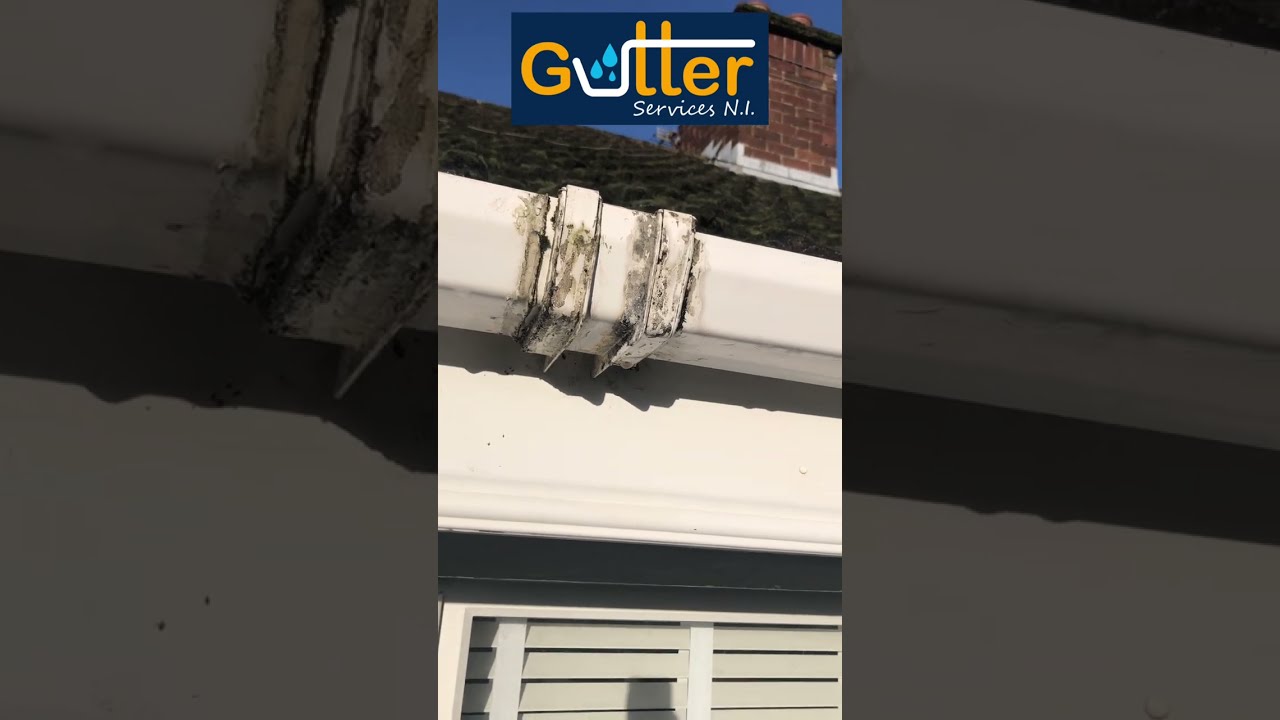
Depending on the property, comprehensive drainage solutions may include repairing underground drainage, improving surface falls or correcting stormwater discharge arrangements. Damaged gutter repair, aluminum gutter repair and copper gutter maintenance can help prevent https://donovanfdne377.readspirex.com/posts/why-commercial-gutter-services-matter-for-retail-sites roof water from repeatedly soaking walls or the ground beside footings.
For larger premises, commercial gutter services and comprehensive gutter services should include checking outlets, downpipes and discharge points. Advanced gutter solutions are useful only when properly sized and connected to suitable drainage.
Preventing Repeat Damage
After the cause is addressed, establish a brick wall maintenance schedule. Check repaired areas, keep drainage clear and arrange follow-up inspections where recommended. Brick erosion control and brick durability enhancement depend on compatible materials and effective moisture management, not simply applying a coating.
Brick wall weatherproofing must preserve the wall’s ability to manage moisture. Advanced painting techniques and comprehensive sealing solutions cannot replace structural repairs, and unsuitable impermeable coatings may trap water. Likewise, brick thermal insulation upgrades should not obstruct drainage cavities or ventilation openings.

Roof leaks may require comprehensive roof repair, but advanced roof repair, attic ventilation repair or attic ventilation installation does not correct foundation movement. Treat roof, ventilation and masonry defects according to their individual causes.
Arrange a Qualified Local Assessment
If you notice new cracking or displaced brickwork in Hawkesbury, arrange an inspection promptly. Ask for a written diagnosis, an explanation of any engineering requirements and a repair scope that addresses both the damage and its cause. Confirm applicable approvals, licensing and inspection requirements before structural work begins.
Top Hawkesbury Roofer
Bells Line of Rd, Kurmond NSW 2757, Australia
(02) 4503 4545